5 Best Hardware Crypto Wallets for 2026 – Full Review, Security Analysis & Real Usage Insights

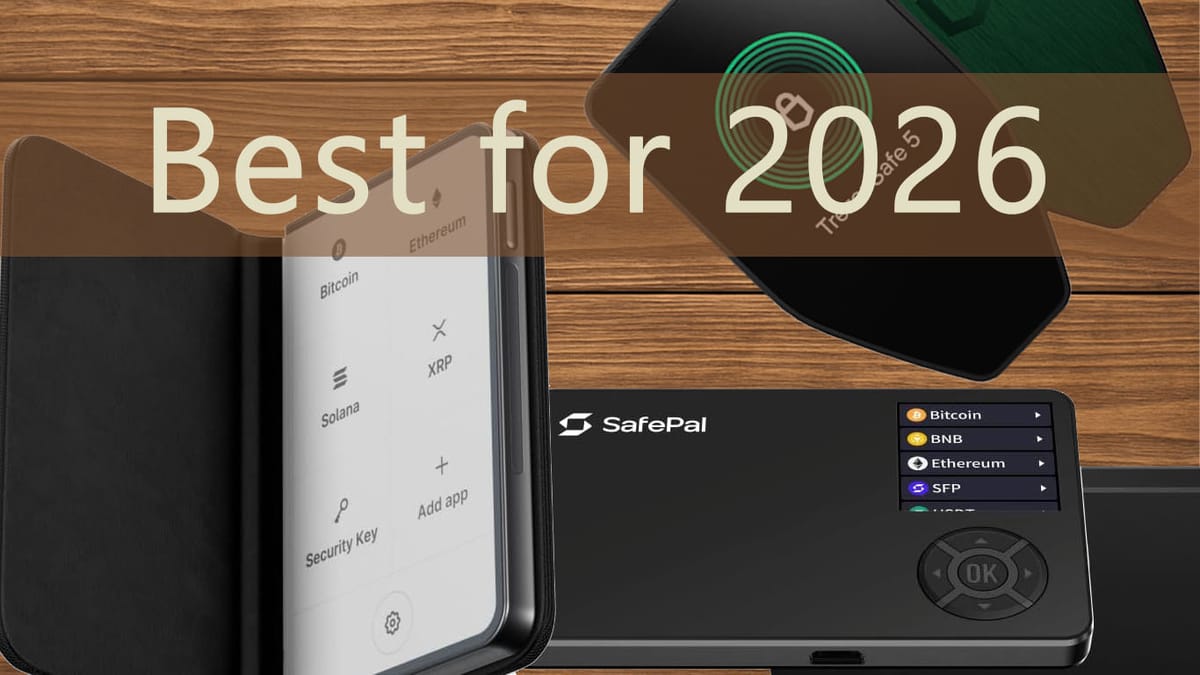
5 Best Hardware Crypto Wallets for 2026: Real-World Review & Practical Security Guide
2026 is shaping up to be the most important year for cold storage since hardware wallets were invented.
With rising AI-generated phishing, improved malware, and several high-profile exchange failures in recent years, self-custody has finally become mainstream. Hardware wallets are no longer a niche tool — they’ve become a basic security requirement.
I’ve been in crypto since 2017 and during that time I’ve used almost every major hardware wallet: Ledger, Trezor, ColdCard, Keystone, SafePal, Tangem, GridPlus, and others. I also lost funds once because of a hot-wallet malware attack back in 2021, so my view on security is very practical, not theoretical.
This is my honest, experience-based ranking of the 5 best hardware wallets for 2026.
Not sponsored, not rewritten specs, just real usage feedback.
Why 2026 Is a Turning Point for Hardware Wallets
- AI-powered phishing attacks are skyrocketing
- Malware can now intercept seed phrases on mobile devices
- Deepfake support chats trick users into revealing access
- Browser extensions inject malicious transactions
- Quantum-resistant standards are starting to appear
For the first time in crypto history, most newcomers are buying a hardware wallet before their first major deposit.
Manufacturers finally started taking security, usability, and firmware stability seriously — and the devices listed below reflect that evolution.
My Background (So You Know This Isn’t AI-Generated Nonsense)
Hardware wallets I’ve personally used or tested since 2017:
- Ledger Nano S, X, Stax
- Trezor One, Model T, Safe 5
- ColdCard Mk3/Mk4/Q
- Keystone (all versions)
- SafePal
- Foundation Passport
- GridPlus Lattice
- Tangem cards
I’m not a reviewer — I use these wallets for real storage, multisig setups, BTC-only strategies, and DeFi operations.
This ranking comes from real-world usage, reliability, firmware behavior, and day-to-day comfort.
The 5 Best Hardware Wallets for 2026
1. Ledger Stax — Best All-Around Wallet
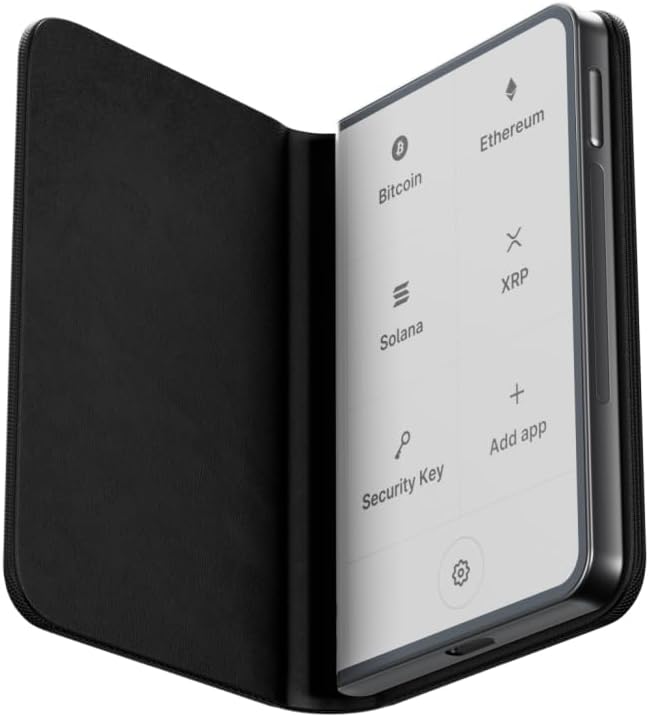
If you want the most balanced hardware wallet in 2026 — this is it.
Ledger finally delivered a mature, comfortable, visually clean device that feels premium and is easy to trust.
Highlights
- Curved E-Ink display (like a mini Kindle)
- Supports 6,000+ assets
- Secure Element EAL6+
- Bluetooth 5.3
- Magnetic body
- Quantum-safe firmware roadmap
Pros
Fast, intuitive, no cable mess. Works great with ETH, BTC, NFTs, and DeFi.
Cons
More expensive than average. Bluetooth may be a concern for the ultra-paranoid.
2. Trezor Safe 5 — Best Open-Source Wallet
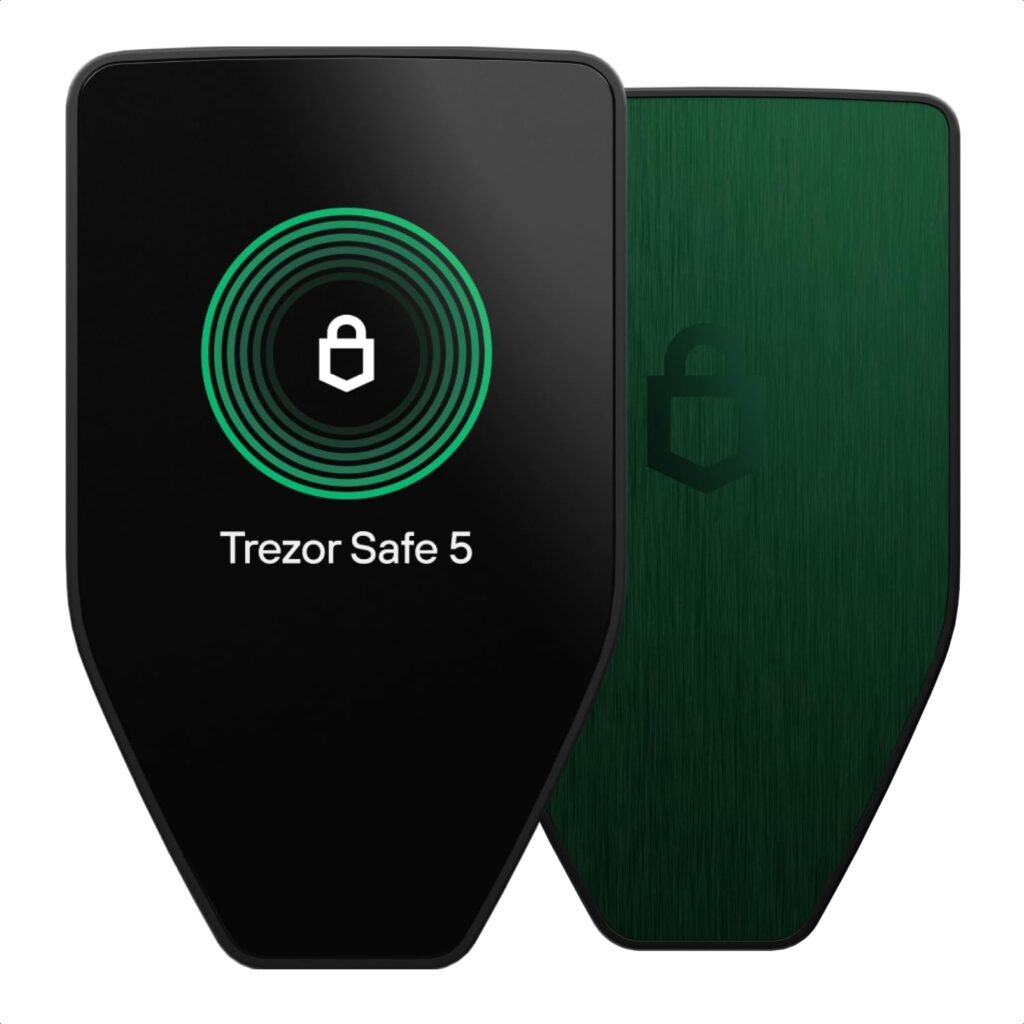
Trezor finally combined open-source firmware with a modern secure element, creating arguably the most transparent wallet on the market.
Strengths
- Fully open-source (firmware + software)
- Shamir Backup for advanced seed protection
- Great for Bitcoin multisig
- Easy onboarding
Weaknesses
No Bluetooth. Smaller screen compared to Ledger Stax.
Important update:
At the time of writing this article, Trezor has just released a brand-new model — Trezor Safe 7, a modern crypto hardware wallet featuring Bluetooth connectivity, a full-color touchscreen, a transparent secure element, and early-stage quantum-ready protection. According to the manufacturer, the Safe 7 is designed with future-proof security in mind, especially for the upcoming era of post-quantum cryptography. I haven’t tested the device yet, but as soon as it arrives, I’ll publish a full hands-on review and break down how it compares to the Safe 5 and other wallets in this list.
3. Keystone 3 Pro — Best Fully Air-Gapped Wallet
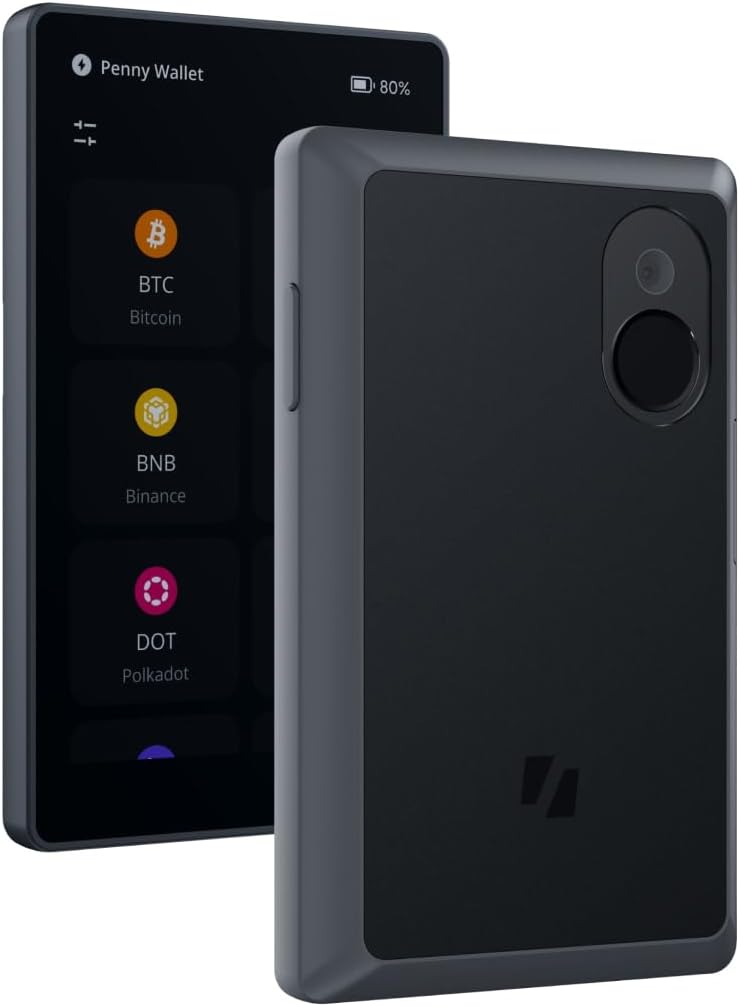
No USB, no Bluetooth — nothing to hack. Keystone signs transactions via QR codes using its built-in camera, creating a true air-gapped environment.
Why it’s great
- Completely air-gapped
- Large touchscreen
- Works with Sparrow, Specter, BlueWallet
- Excellent multisig support
Downsides
Requires patience. Slightly bulky. Not ideal for beginners.
4. SafePal — Best Budget Wallet
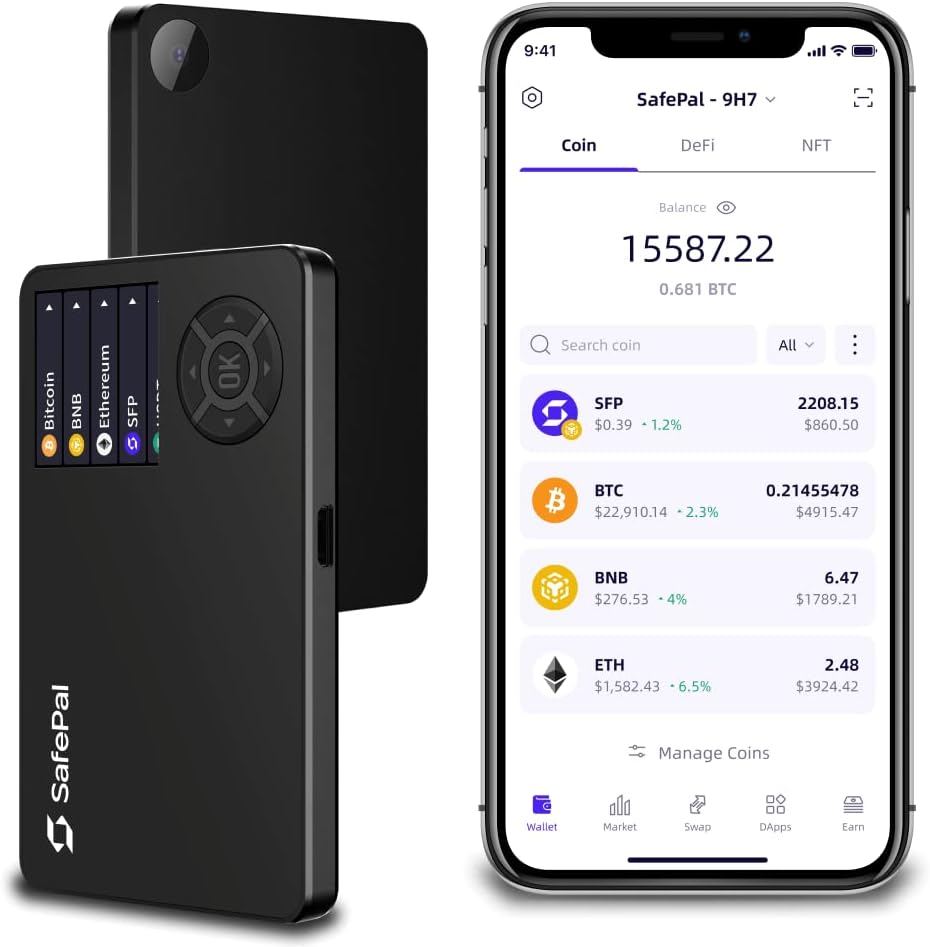
SafePal S1 is the best affordable wallet in 2026. It’s surprisingly capable for the price and offers strong isolation via QR-code transactions.
Pros
- Air-gap workflow via camera
- Low cost
- Supports many coins
Cons
Firmware updates can be slow. Interface lags under heavy usage.
5. ColdCard Q — Best Bitcoin-Only Wallet
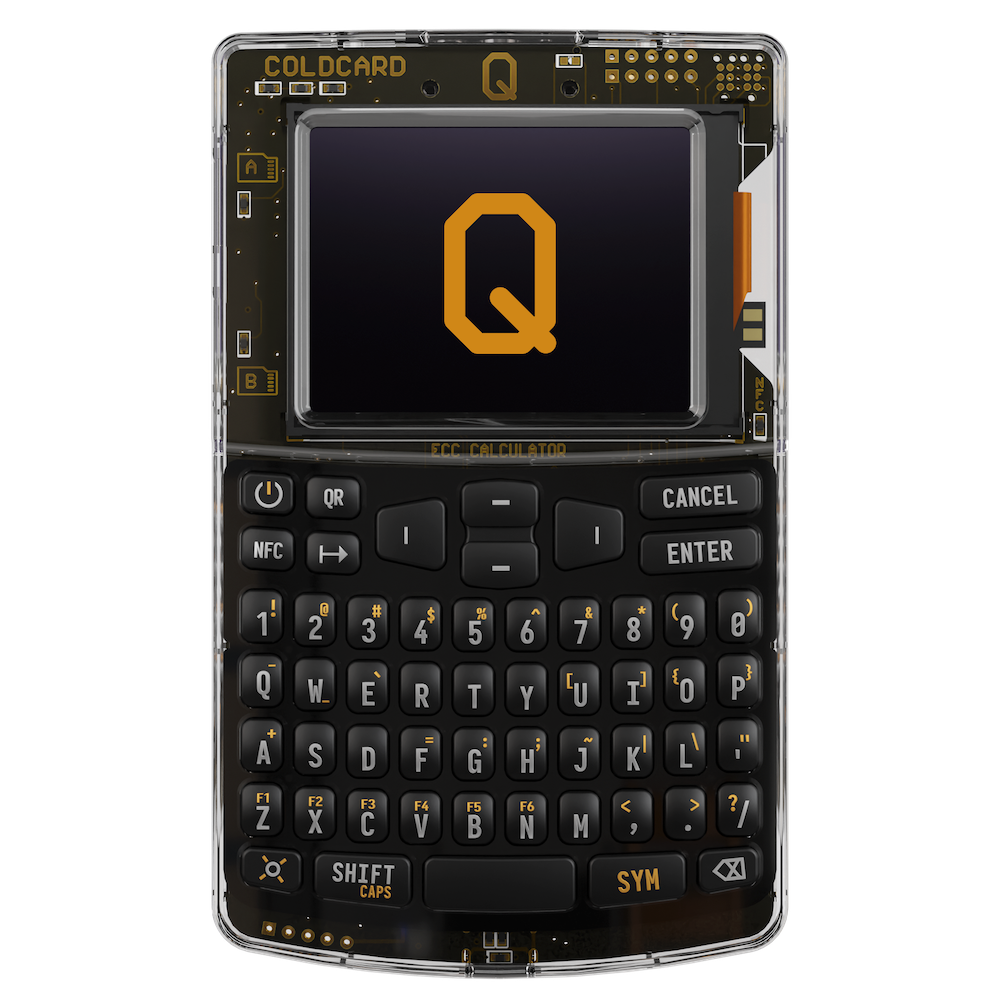
If Bitcoin is your main or only asset — ColdCard Q is unmatched. It feels like a military-grade device built only for BTC security.
Main benefits
- BTC-only → minimal attack surface
- MicroSD air-gap signing
- Advanced passphrase tools
- Quantum-resistant firmware layer
Limitations
Not beginner-friendly. No altcoin support at all.
Comparison Table: Top Wallets for 2026
| Wallet | Assets | Connectivity | Air-Gapped | Ease of Use |
|---|---|---|---|---|
| Ledger Stax | 1000+ | Bluetooth | No | ★★★★★ |
| Trezor Safe 5 | 1000+ | USB | No | ★★★★☆ |
| Keystone 3 Pro | 1000+ | QR | Yes | ★★★☆☆ |
| SafePal | 1000+ | QR/USB | Yes | ★★★★☆ |
| ColdCard Q | BTC-only | MicroSD/QR | Yes | ★★★☆☆ |
Security Trends for 2026
- Quantum-resistant cryptographic layers
- Biometric signing (fingerprint + PIN)
- AI-based transaction risk analysis
- Card-style wallets becoming mainstream
- Layered multisig security models
Conclusion
If you want one universal wallet: Ledger Stax.
If you want open-source transparency: Trezor Safe 5.
If you want maximum isolation: Keystone 3 Pro.
If you want the best price-to-security ratio: SafePal.
If you are BTC-only: ColdCard Q.
All five wallets are great choices in 2026 — it just depends on your strategy, assets, and security habits.